Small Time Frame, Big Impact: The War That Only Lasted 38 Minutes
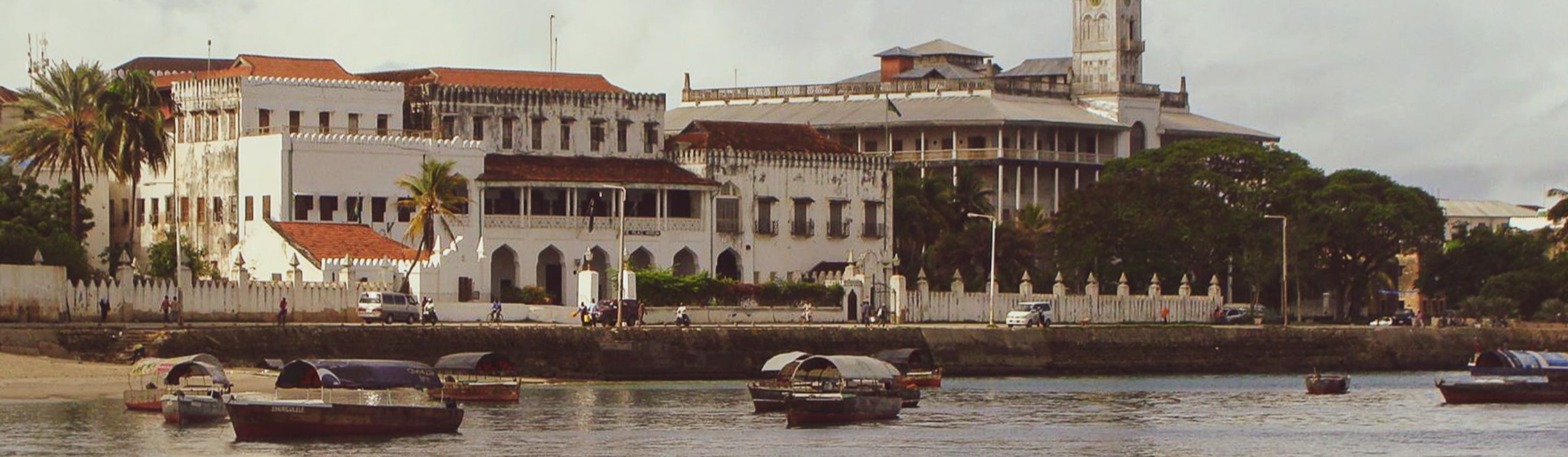
History is full of long, drawn-out wars that claimed years and generations. But in 1896, one battle ended before the morning coffee cooled. It was loud and shockingly swift—the Anglo-Zanzibar War, fought between the sultanate of Zanzibar and the British Empire.
Lasting approximately 38 to 40 minutes, it holds the record as the shortest war in history. Blink, and it was practically over. Yet despite its brevity, those chaotic minutes changed a region’s future forever. For something that lasted less than a TV episode, the impact still echoes through the Indian Ocean’s salty winds.
The Ticking Clock To Conflict
The fuse was lit on August 25, 1896, when the ruling Sultan of Zanzibar, Hamad bin Thuwaini, died suddenly. Almost immediately, his first cousin Khalid bin Barghash took the palace without British approval. The British, who had wielded strong political influence since Zanzibar became a protectorate in 1890, saw this as defiance. They pushed Khalid to step aside and replace him with their preferred choice, Hamoud bin Mohammed, yet he held his ground.
By dawn the next morning, tension clung to the humid air outside the palace. About 2,800 to 3,000 Zanzibari defenders barricaded themselves with rifles and a few old cannons. In the harbor, five British warships loomed, their decks armed and orders waiting. The clock ticked toward 9 a.m.—the deadline set by the British ultimatum.
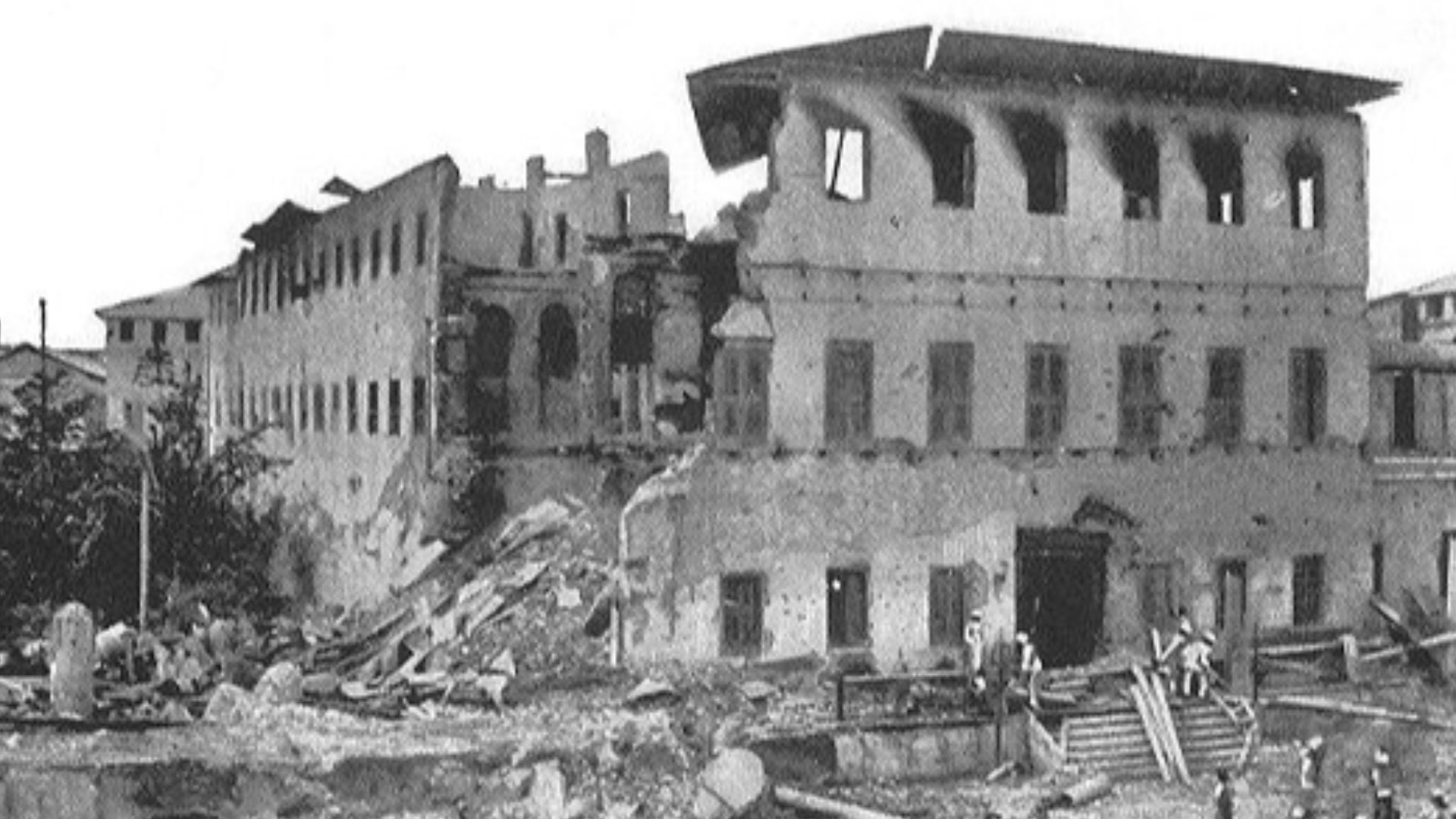
At exactly 9:02 a.m. on August 27, when Khalid refused to surrender, British Admiral Harry Rawson gave the command to open fire. The palace shook as shells ripped through its ornate wooden facade, sending splinters flying into the smoky air. Cannon blasts echoed through Stone Town’s narrow streets, mixing with people’s shouts and the growing sound of flames. By 9:40, the Zanzibari flag had been taken down, marking the end of the fighting.
Khalid fled through a side door to seek asylum in the German consulate, and the fighting stopped as suddenly as it began. In less than an hour, roughly 500 Zanzibari, including civilians and combatants, were dead or wounded. Only one British sailor suffered injuries. The palace smoldered, and the brief but violent war had come to an abrupt close.
Fast Battle, Lasting Legacy
Despite its short duration, the Anglo-Zanzibar War left long-lasting footprints. The British installed Hamoud as sultan, a ruler more in line with their colonial interests. Under his leadership, one major reform followed—he issued a decree outlawing slavery in Zanzibar on April 6, 1897, under British pressure. That single outcome reshaped the archipelago’s economy and social order.
This short spark of combat also symbolized a much larger shift: the tightening grip of European powers on East Africa during the height of imperialism. The speed of the war exposed just how unequal the power scales were between traditional kingdoms and industrial empires.
KEEP ON READING