10 Presidents Who Never Served In The Military & 10 Who Did
Commanders And Civilians In Office
Power can rise from very different foundations. Some presidents first proved themselves as soldiers, earning loyalty on the battlefield before stepping into the White House. Others never carried a weapon and instead built authority through diplomacy or sheer political skill. This contrast—warriors turned statesmen beside leaders untouched by combat—reveals how varied experiences shaped the presidency. The names that follow highlight many routes to America’s highest office. Let’s start with those who were never in the military.
 Library of Congress on Unsplash
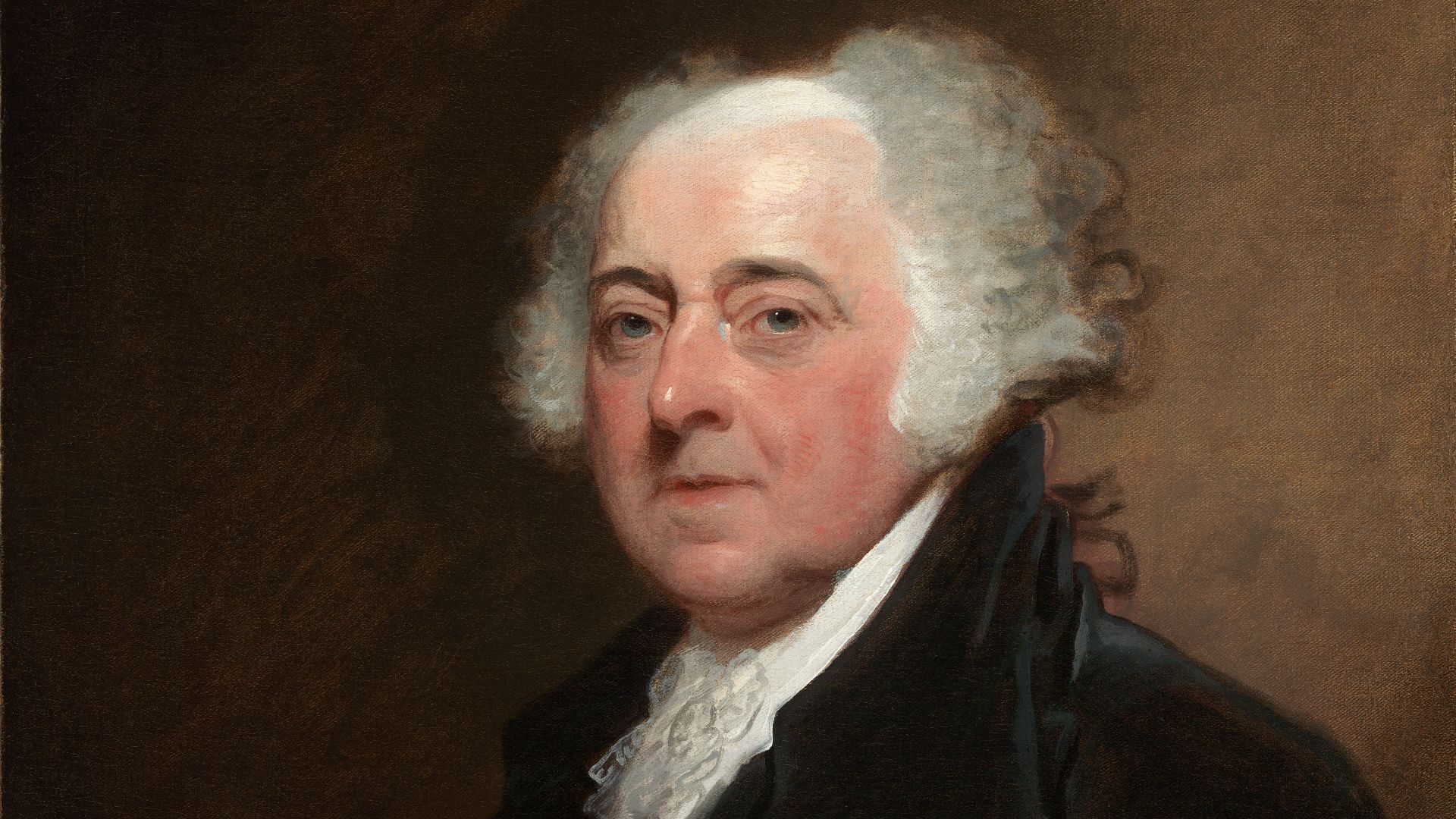
1. John Adams
Rather than fighting in the Continental Army, John Adams dedicated his life to law and diplomacy. He famously defended British soldiers after the Boston Massacre, then became the first president to live in the White House. His poignant last words mistakenly referenced Jefferson’s survival.
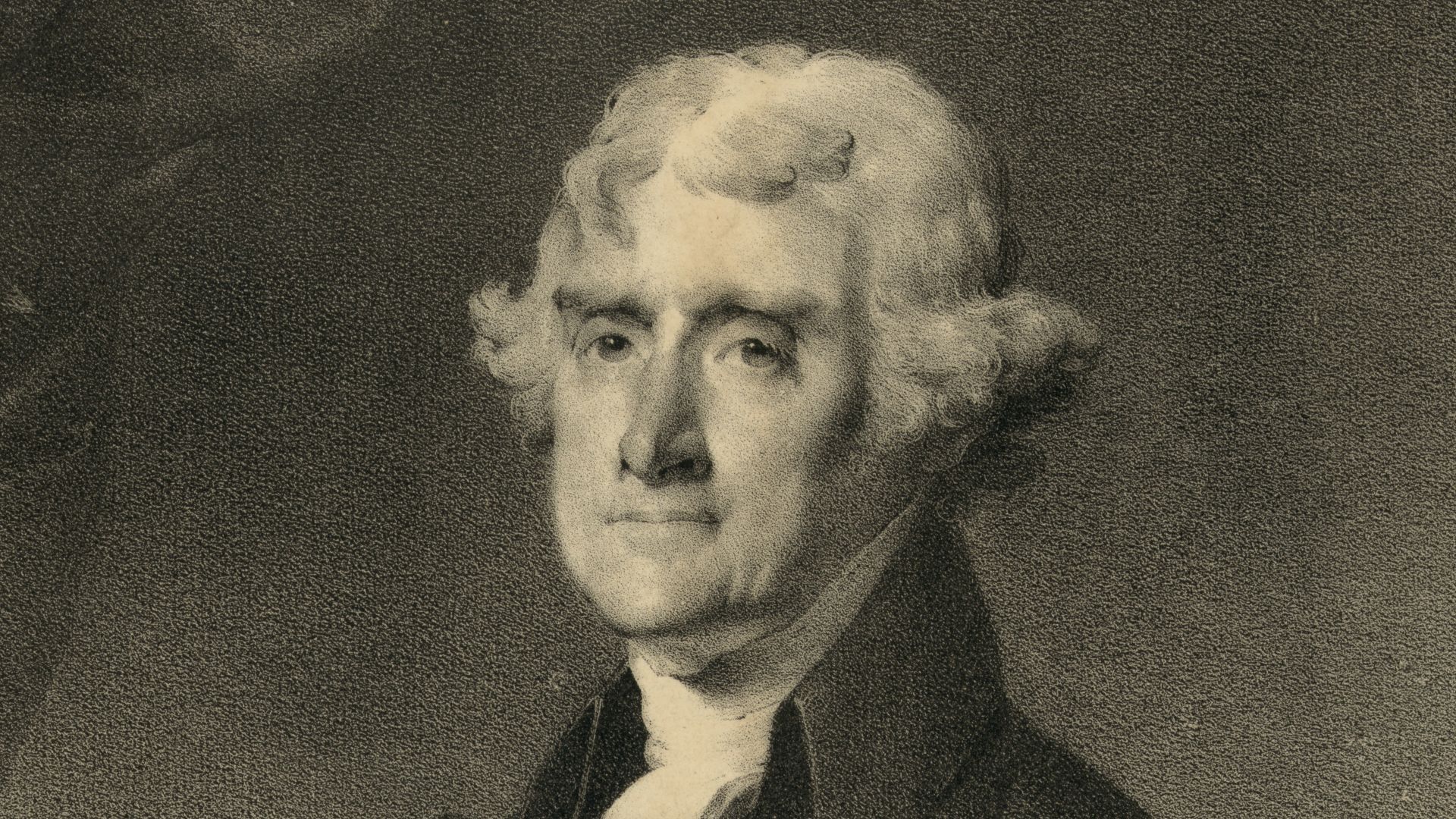
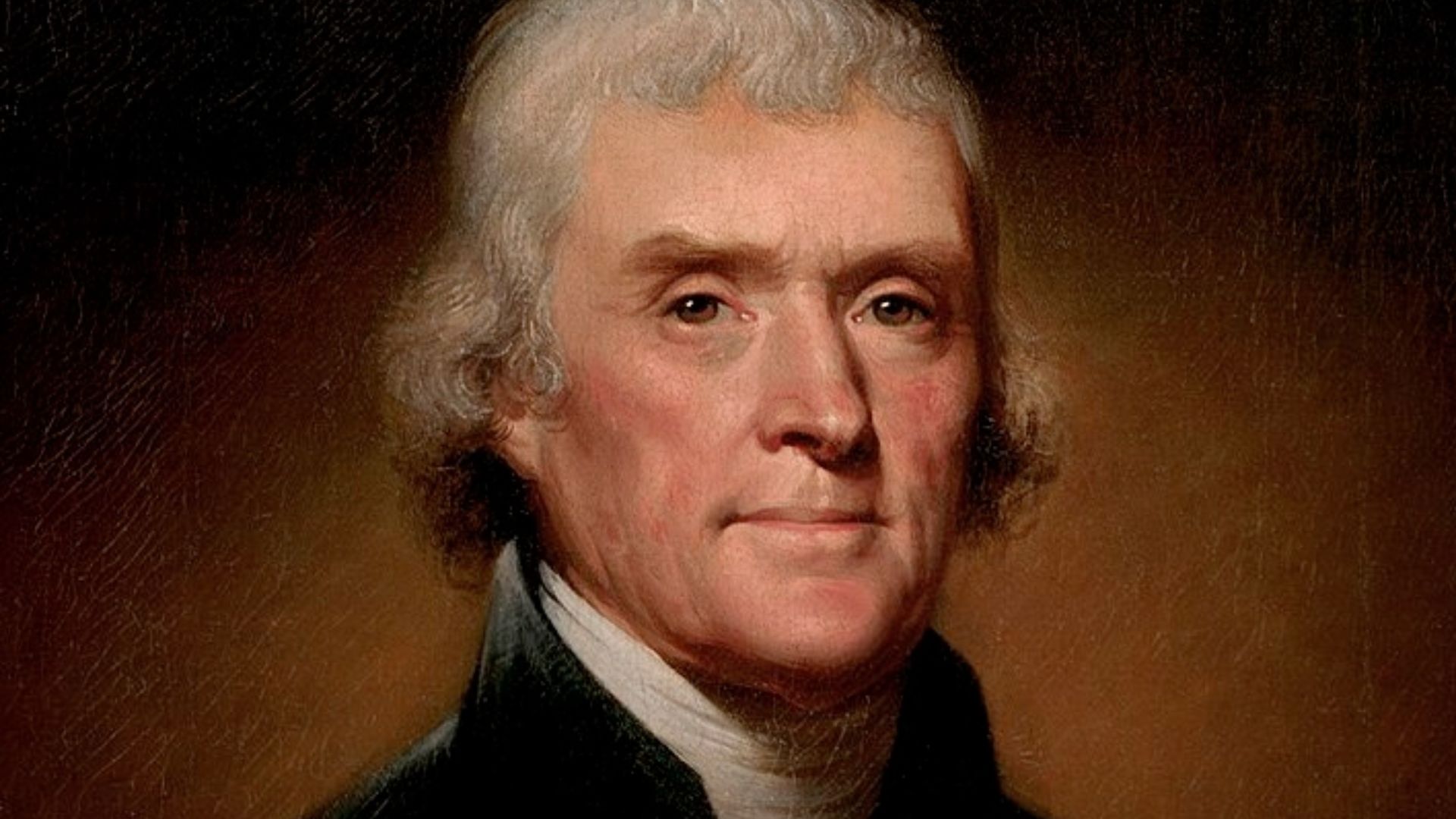
2. Thomas Jefferson
Though Jefferson wrote the Declaration of Independence, he never commanded troops or fired a shot in battle. As Virginia’s governor, he fled advancing British forces. A violinist, book lover, and founder of the University of Virginia, he shaped America’s ideals without military service.
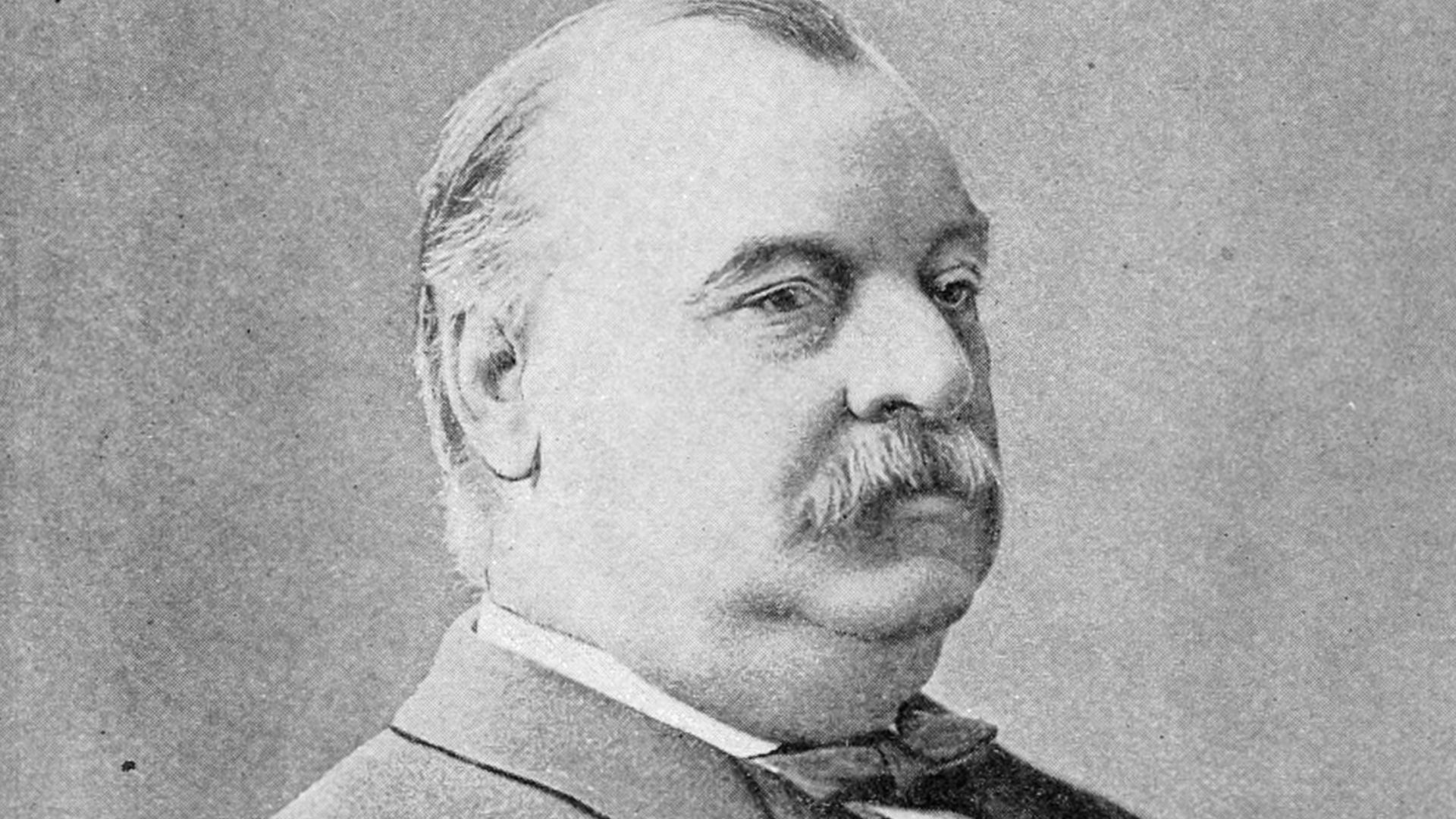
3. Grover Cleveland
Grover Cleveland avoided Civil War service by paying a substitute $150, yet still rose to the presidency. Known as “Big Steve” for his size, he served two non-consecutive terms and personally answered the White House’s first telephone call.
4. Martin Van Buren
Nicknamed “The Little Magician” for his political mastery, Martin Van Buren never served in the armed forces. Born the first U.S. citizen president, he spoke Dutch before English, stood only 5’6”, and built a lasting career entirely through law and politics.
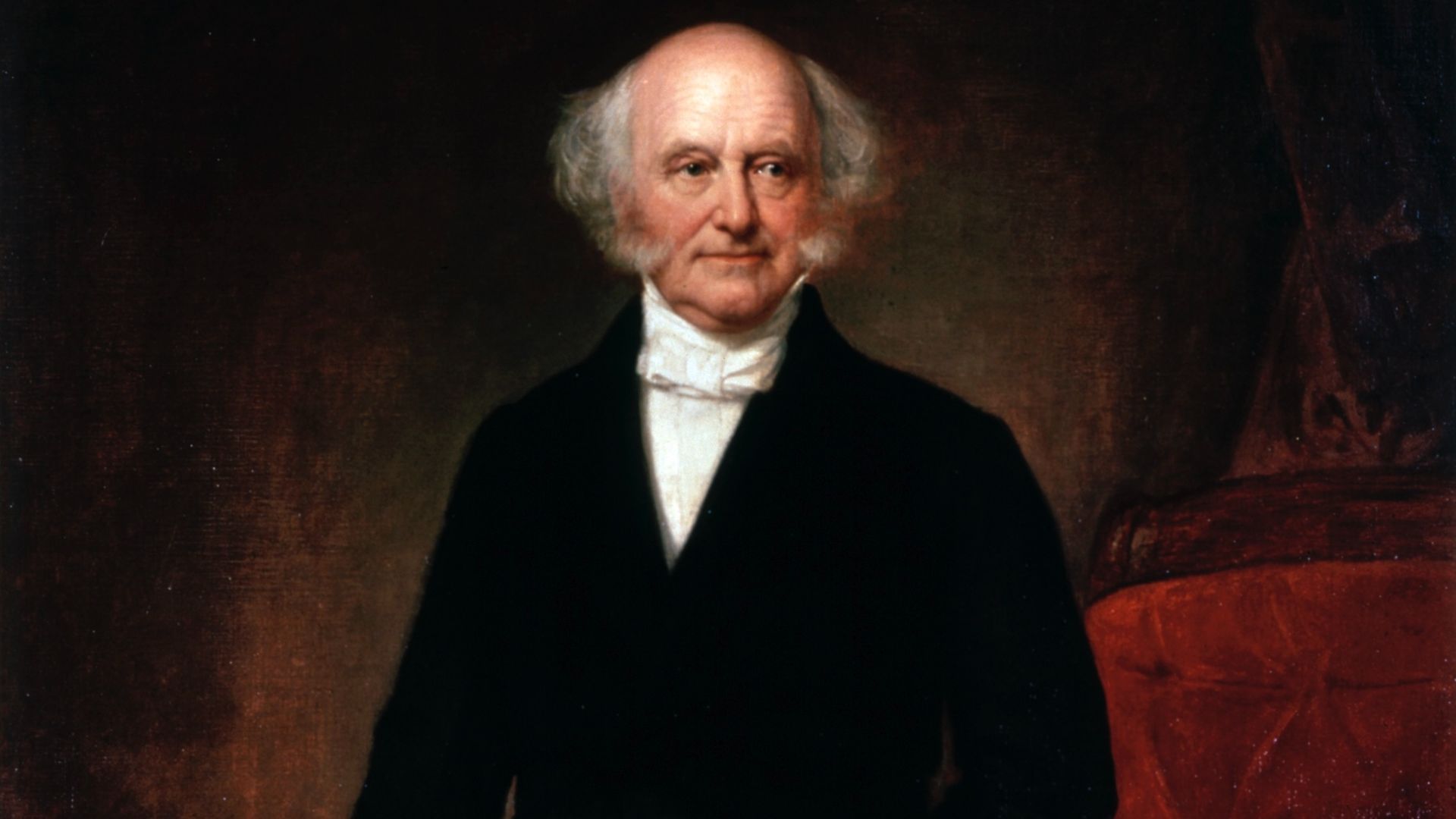 portrait by George Peter Alexander Healy on Wikimedia
5. John Quincy Adams
As a child, John Quincy Adams watched the Battle of Bunker Hill from a nearby hilltop, but he never became a soldier himself. A lifelong statesman, he later swam regularly in the Potomac and uniquely served in Congress after the presidency.
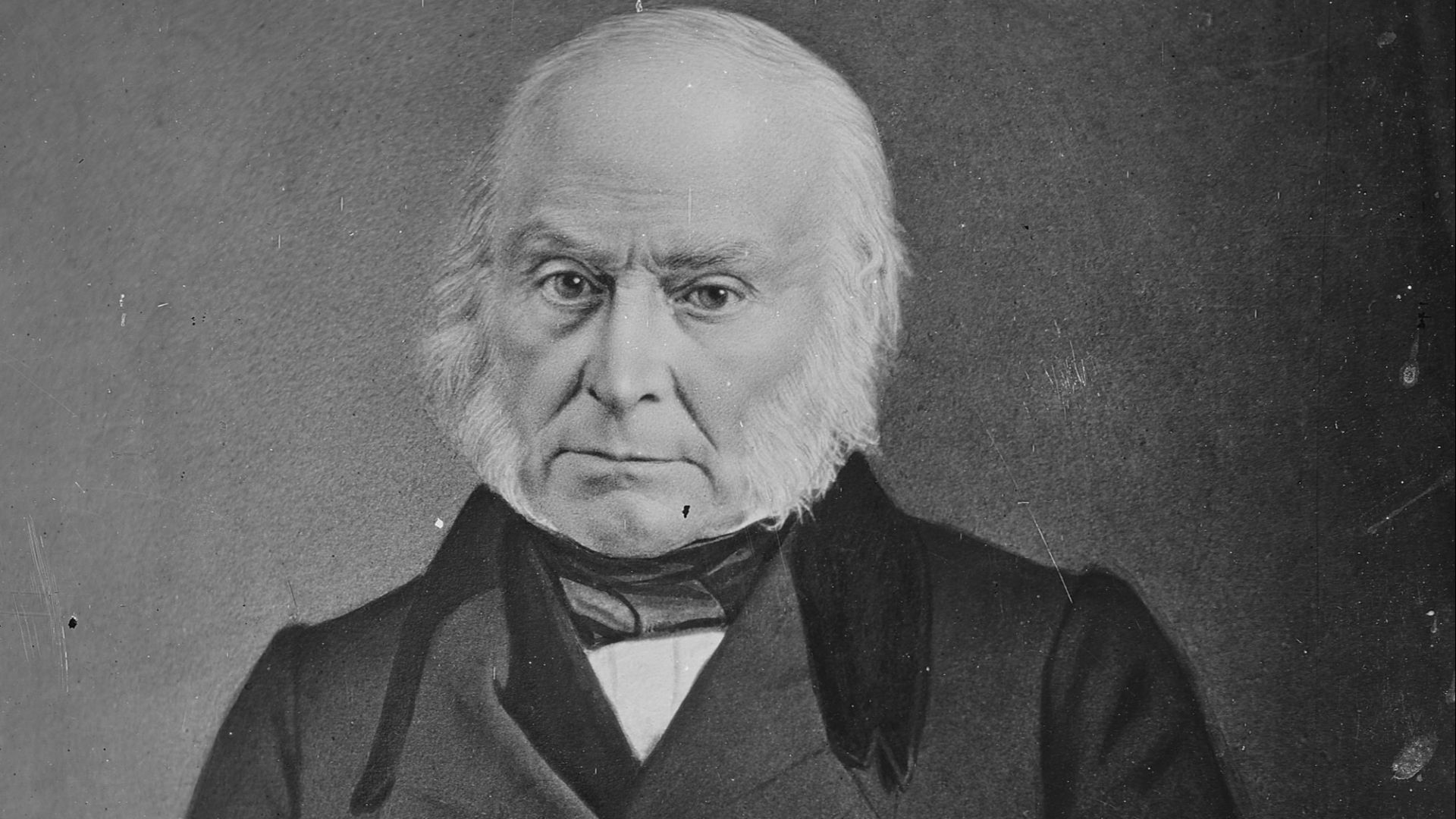 Original - Unknown authorUnknown author; Copy - Mathew Brady on Wikimedia
6. William Howard Taft
William Howard Taft followed law and the judiciary instead of military service, becoming the only president later named Chief Justice. Weighing over 300 pounds, he once got stuck in a White House bathtub, a humorous memory contrasting his otherwise distinguished career.
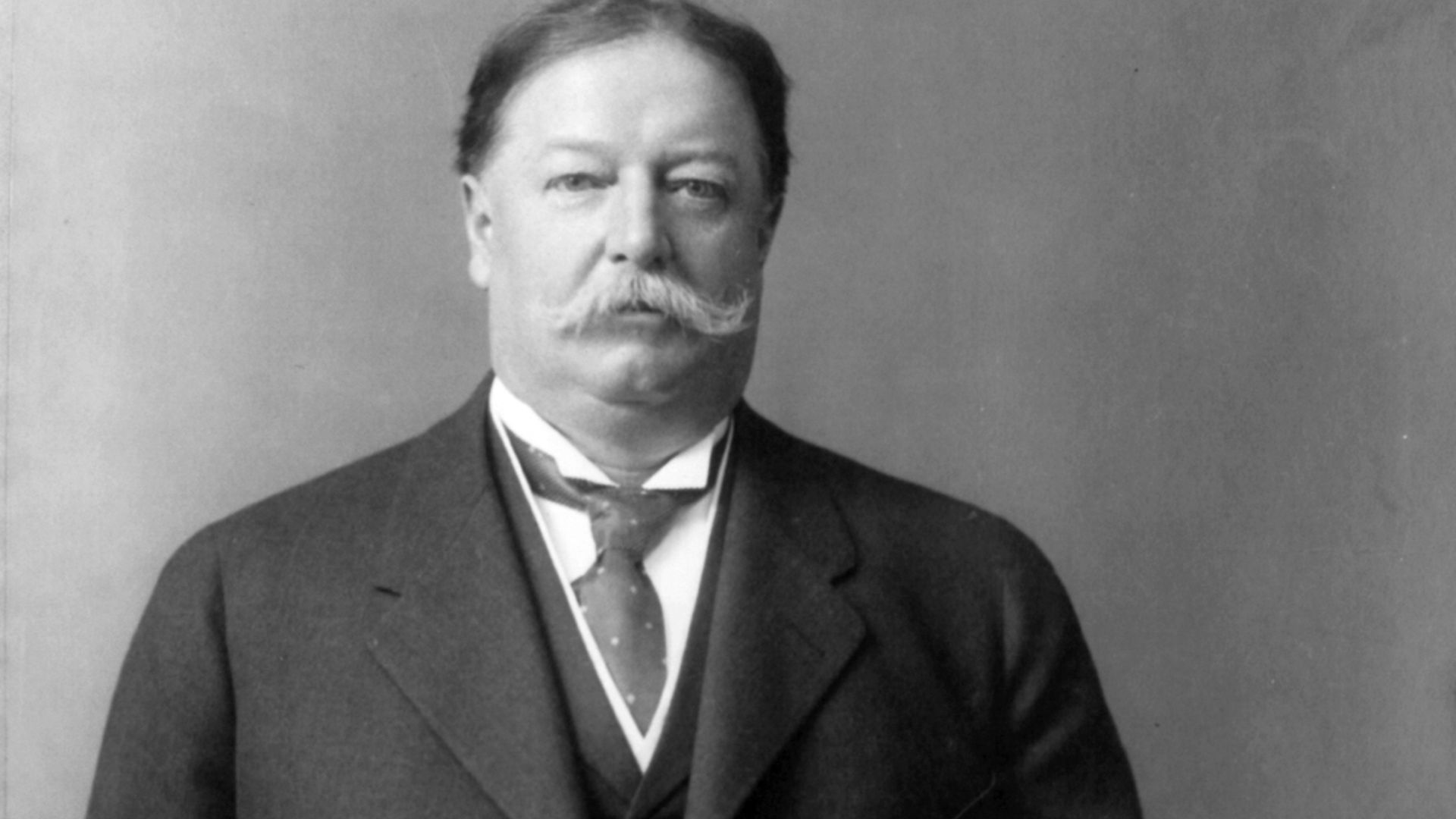 Unknown authorUnknown author on Wikimedia
7. Woodrow Wilson
Though Wilson never wore a uniform, he led America through World War I. He introduced White House press conferences and remains the only president buried in Washington, D.C. A devastating stroke left his wife quietly steering the government during his recovery.
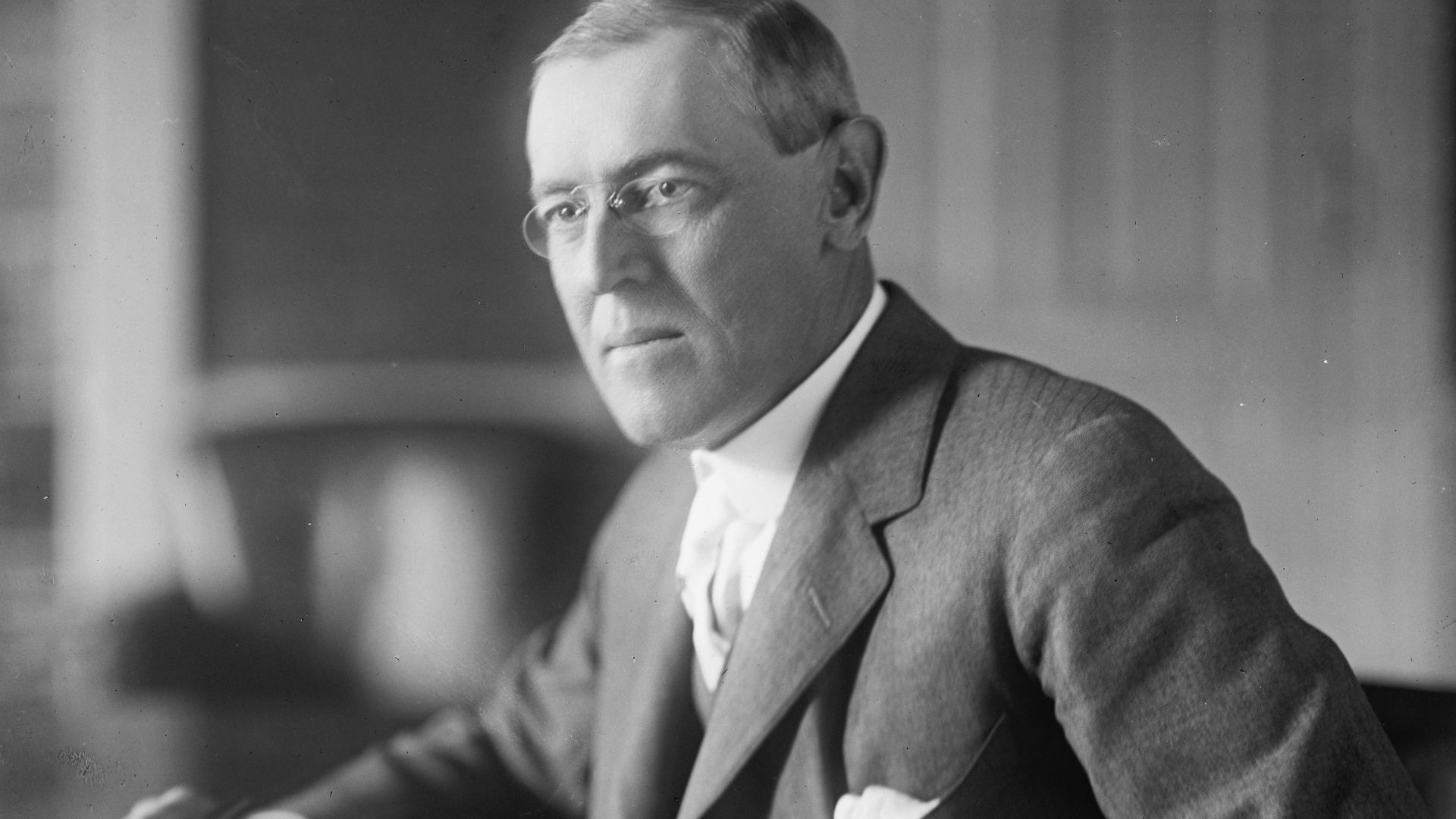 Harris & Ewing, photographer on Wikimedia
8. Warren G. Harding
Harding entered politics through publishing, never through military service. Elected just after women gained the vote, he loved poker so much that he once lost White House china in a game. His sudden death sparked rumors and conspiracy theories that endure today.
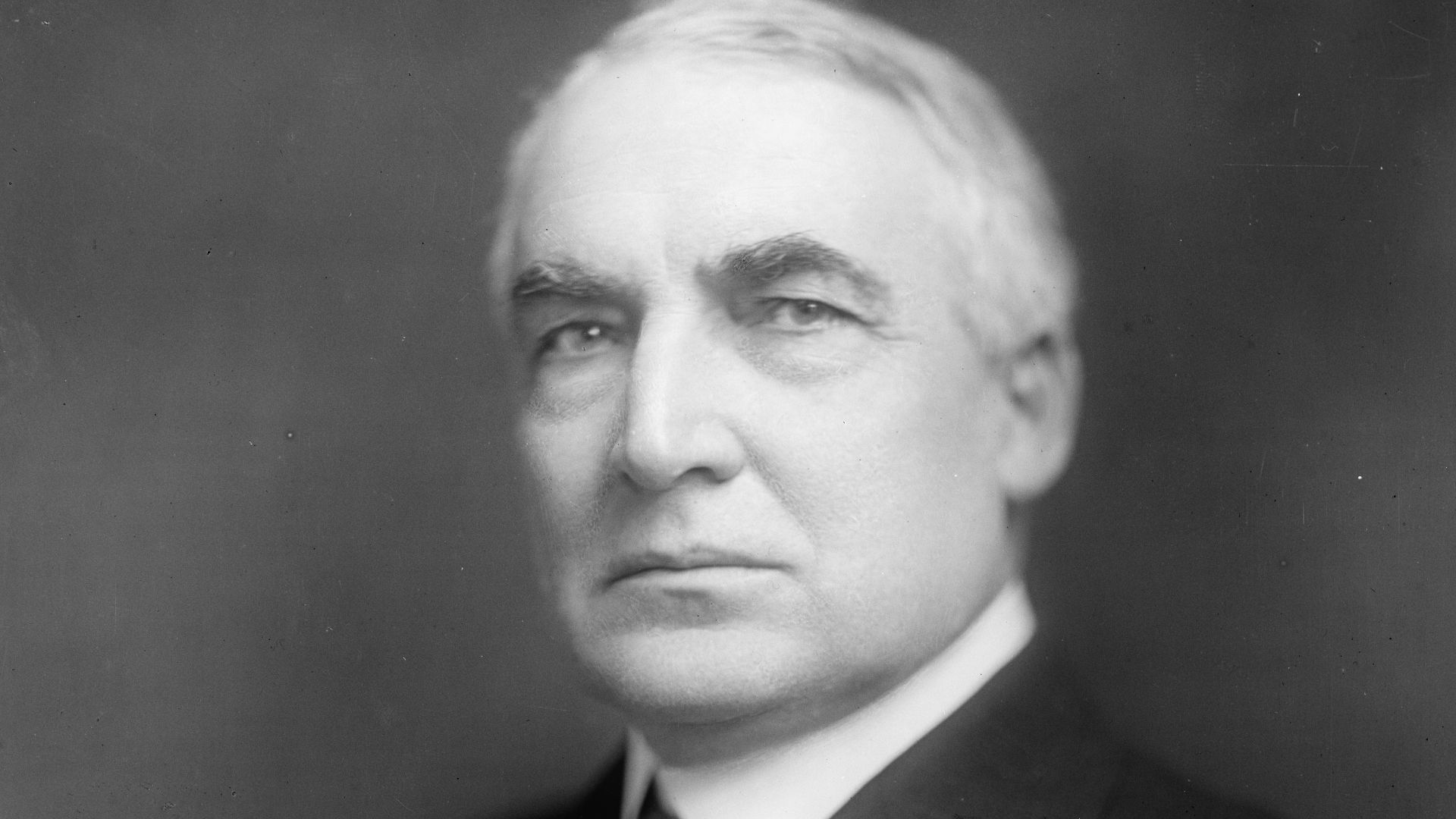 Harris & Ewing, photographer on Wikimedia
9. Calvin Coolidge
Sworn in as president by his own father, Coolidge was famously reserved. “Silent Cal” never joined the armed forces. Rather, he rose through law and local government. He delighted in unusual company and kept a pet raccoon named Rebecca at the White House.
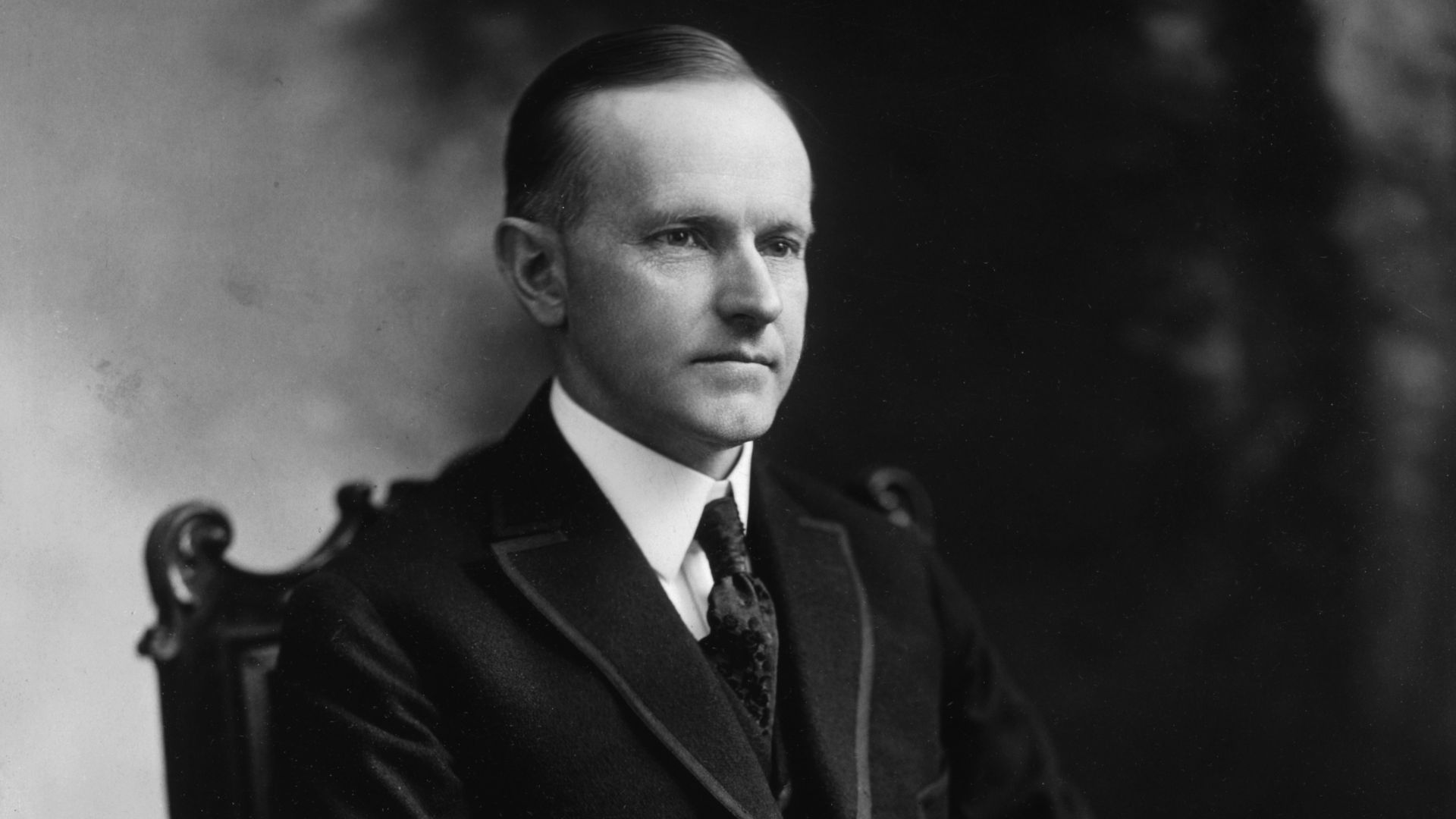 Notman Studio, Boston. Restoration by User:Adam Cuerden on Wikimedia
10. Herbert Hoover
Hoover never served in the military, instead becoming a humanitarian engineer during World War I. His lighter side included keeping a pet opossum named Billy Possum. Besides being fluent in Mandarin with his wife, he donated his entire presidential salary.
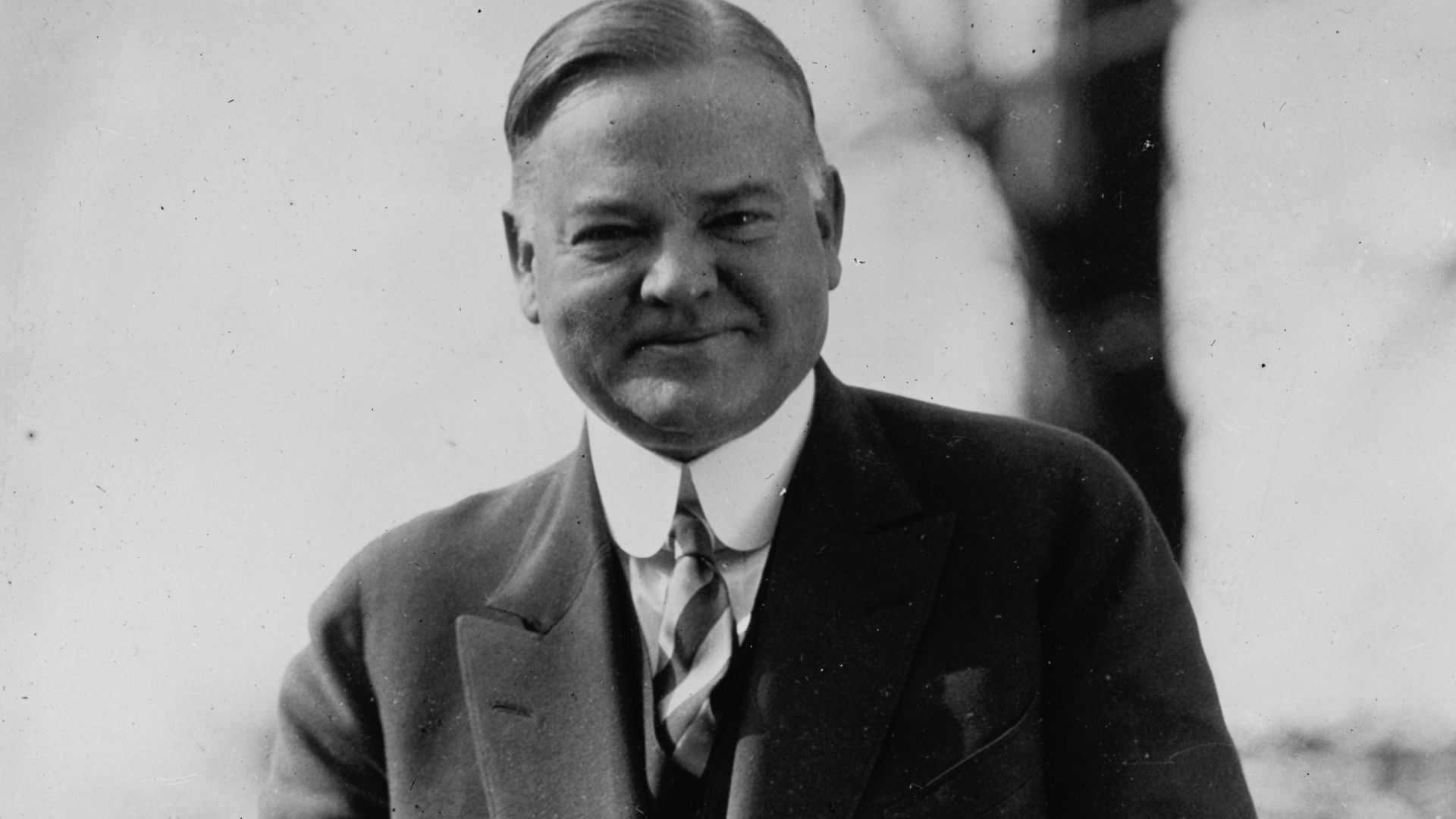 National Photo Company Collection on Wikimedia
Now, let’s flip over to those with military service in their story.
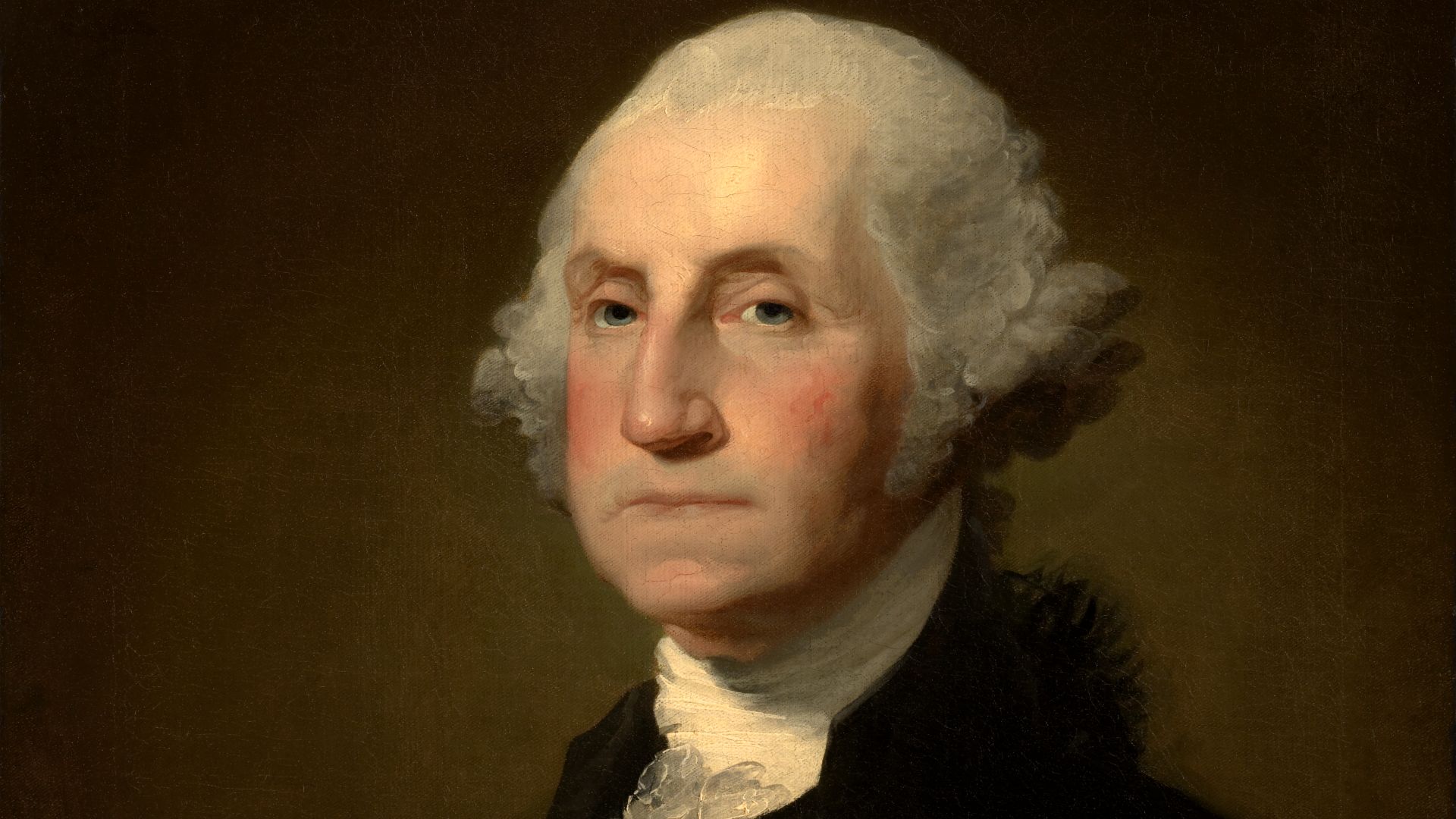
1. George Washington
As a Revolutionary War commander, Washington secured America’s independence and later refused payment for his service. Twice nearly killed when horses were shot beneath him, he embodied determination. His greatest act may have been stepping down after two terms, setting a precedent.
2. Andrew Jackson
Victory at New Orleans made Jackson a hero of the War of 1812. He endured bullets from battles and duels throughout his life, and even survived an assassination attempt. Jackson’s complexity showed when he adopted a Native American child after combat.
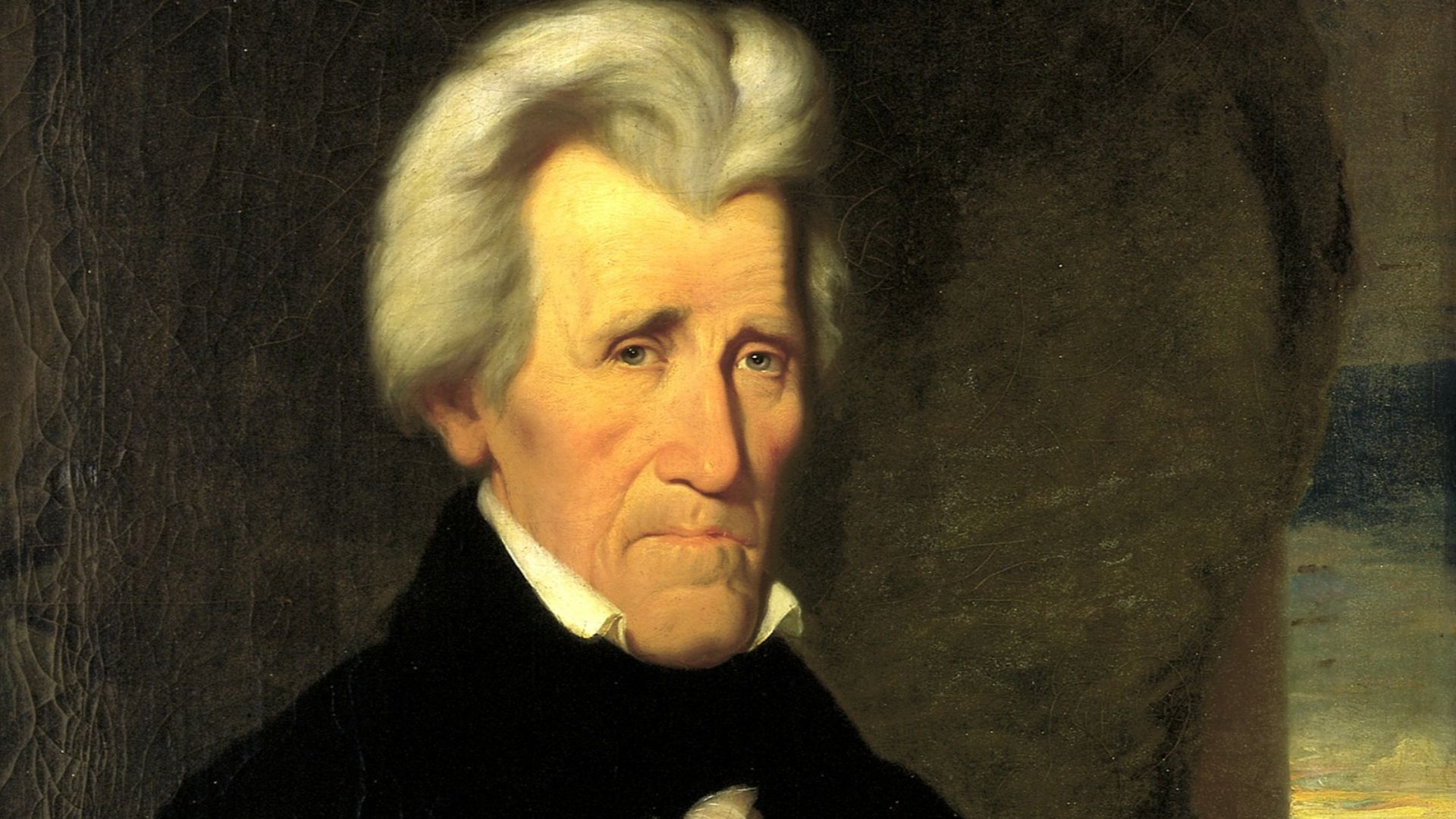 Miner Kilbourne Kellogg on Wikimedia
3. William Henry Harrison
Battlefield fame at Tippecanoe launched Harrison’s reputation, though his military start came in the Northwest Indian War. His catchy campaign slogan, “Tippecanoe and Tyler Too,” still resonates today, and tragically, his lengthy inaugural speech in freezing weather led to his early death.
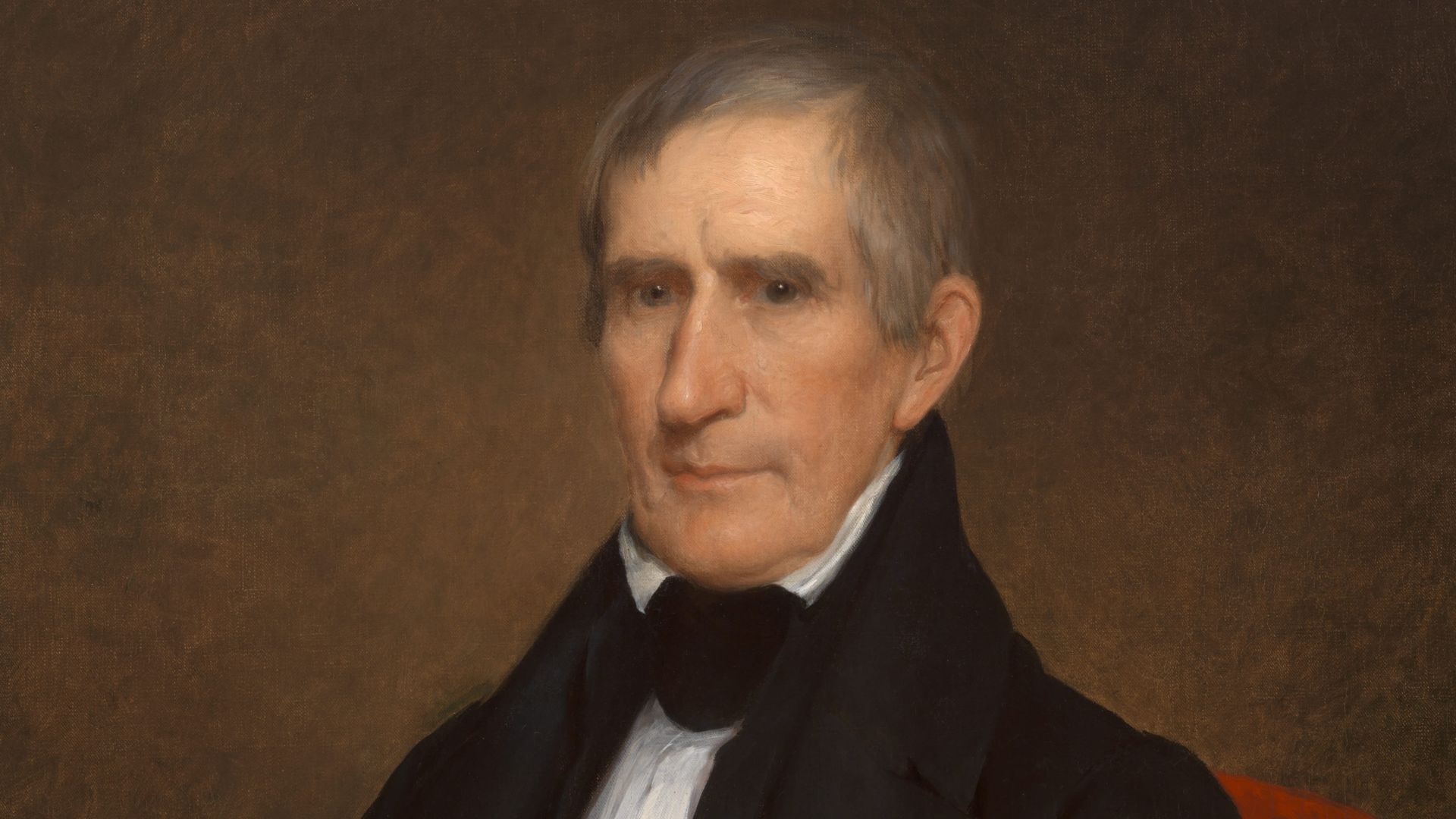 Albert Gallatin Hoit on Wikimedia
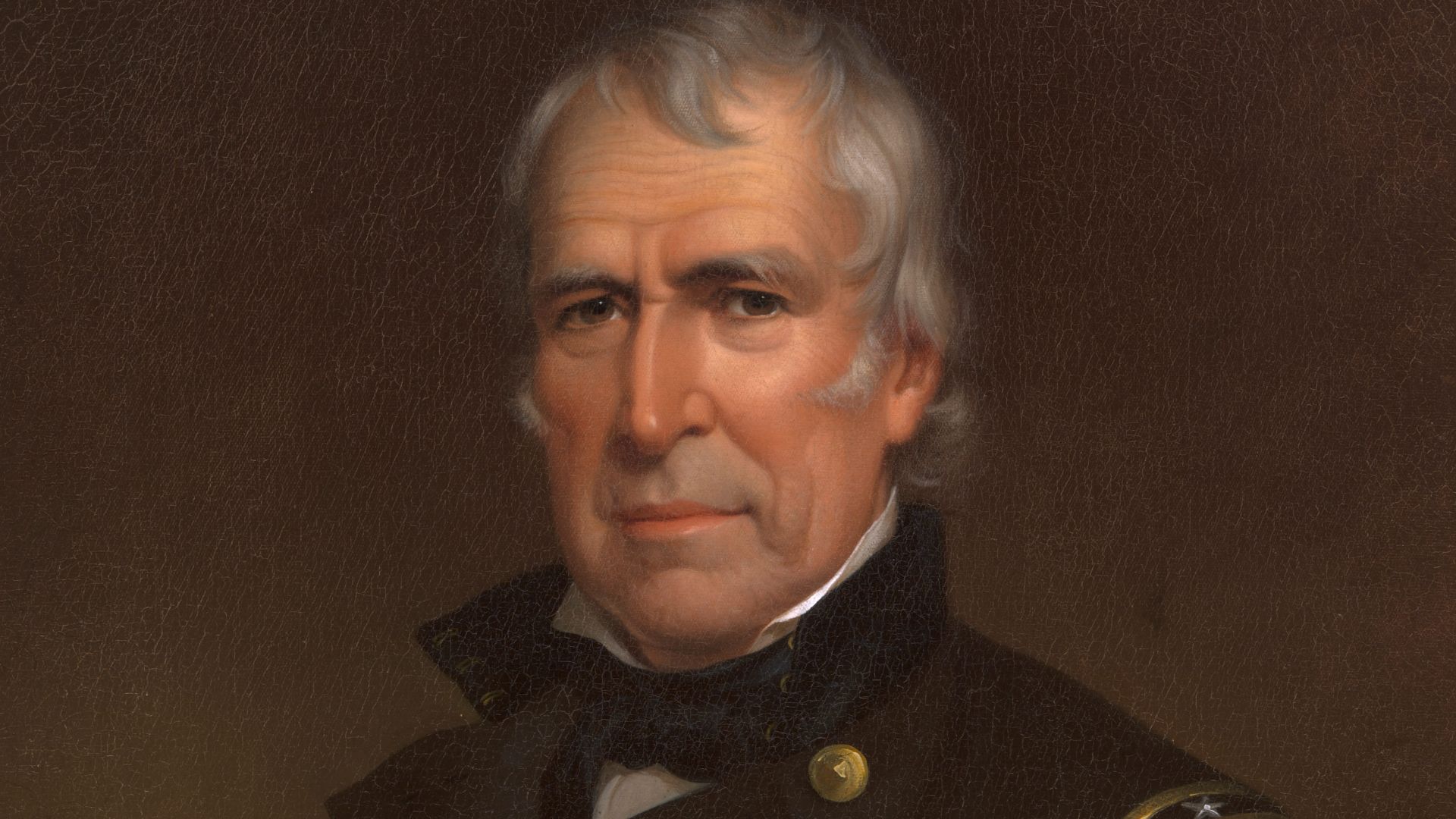
4. Zachary Taylor
Before politics ever called, Taylor spent over four decades in the U.S. Army, earning fame as a Mexican-American War hero. Nicknamed “Old Rough and Ready” for his grit, he shockingly never voted before becoming president and died just 16 months later.
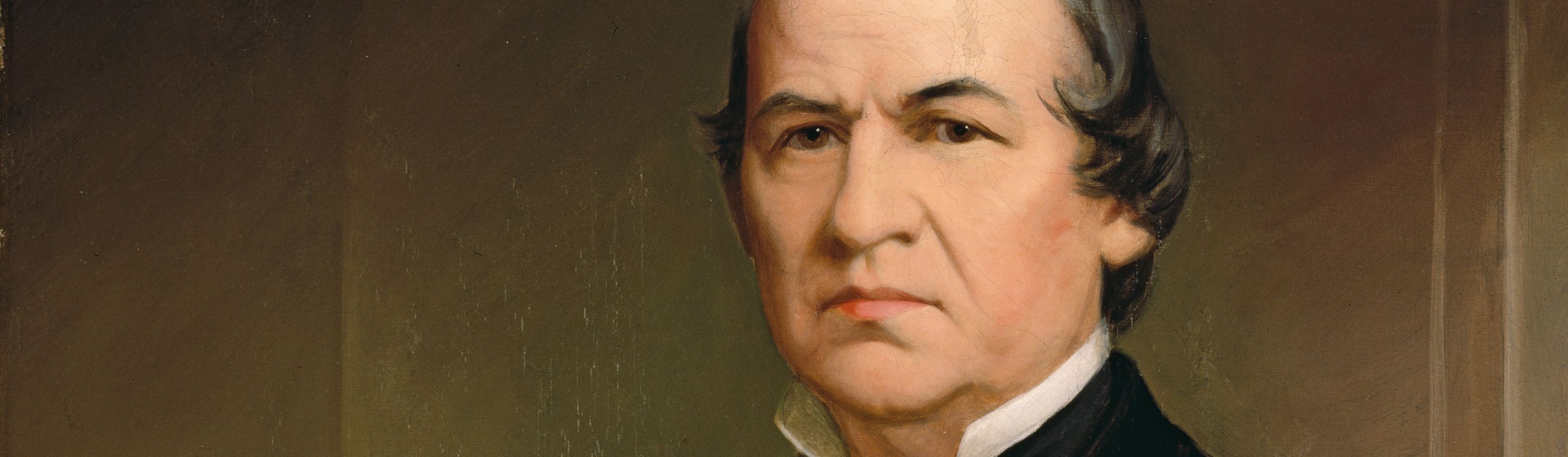
5. Andrew Johnson
Only one Southern senator stayed loyal to the Union—Andrew Johnson. Appointed military governor of Tennessee, he held occupied territory for the North. Illiterate until adulthood, he gave fiery speeches and became Lincoln’s successor. He gained infamy as the nation’s first impeached president.
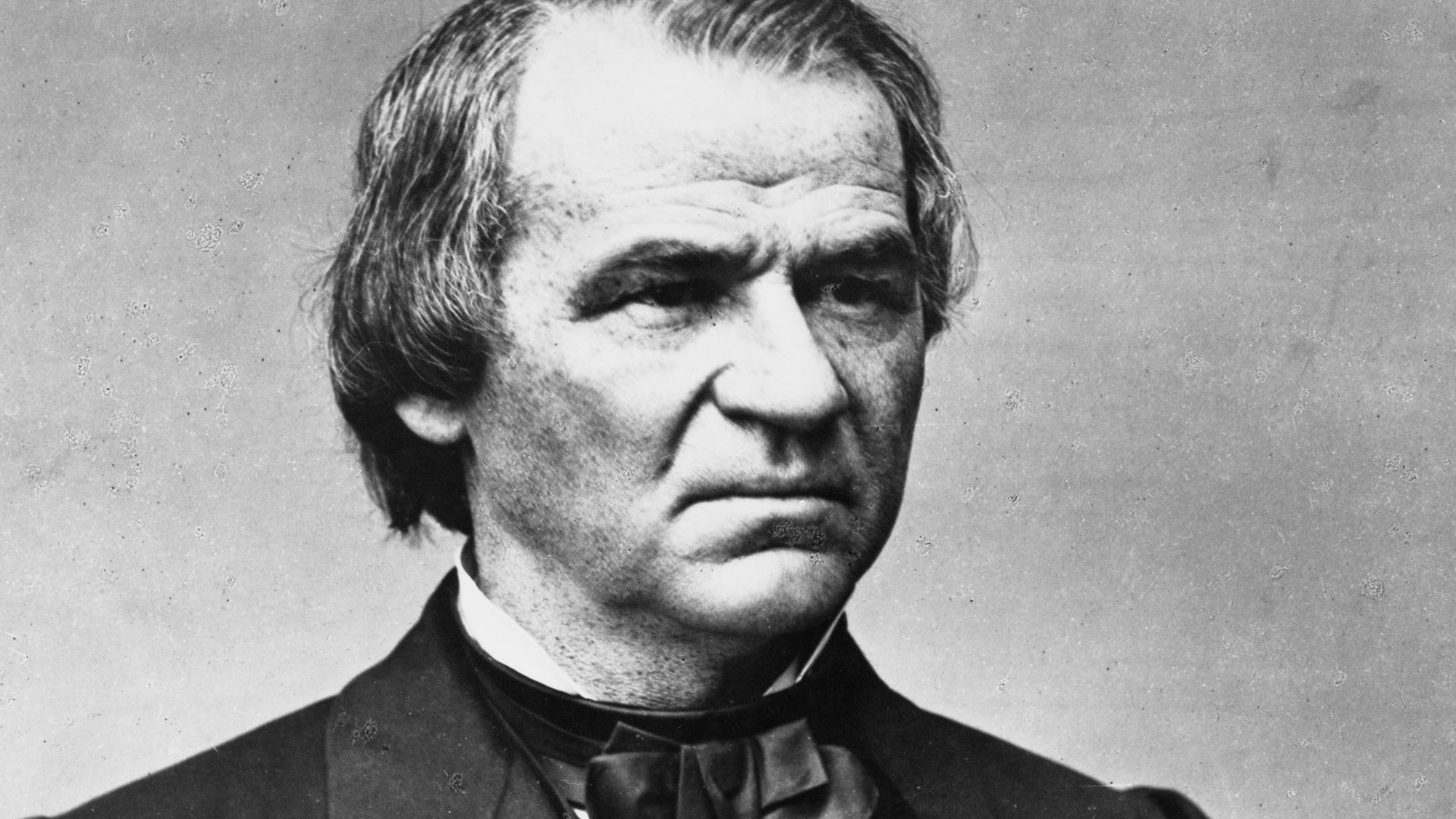 Mathew Benjamin Brady on Wikimedia
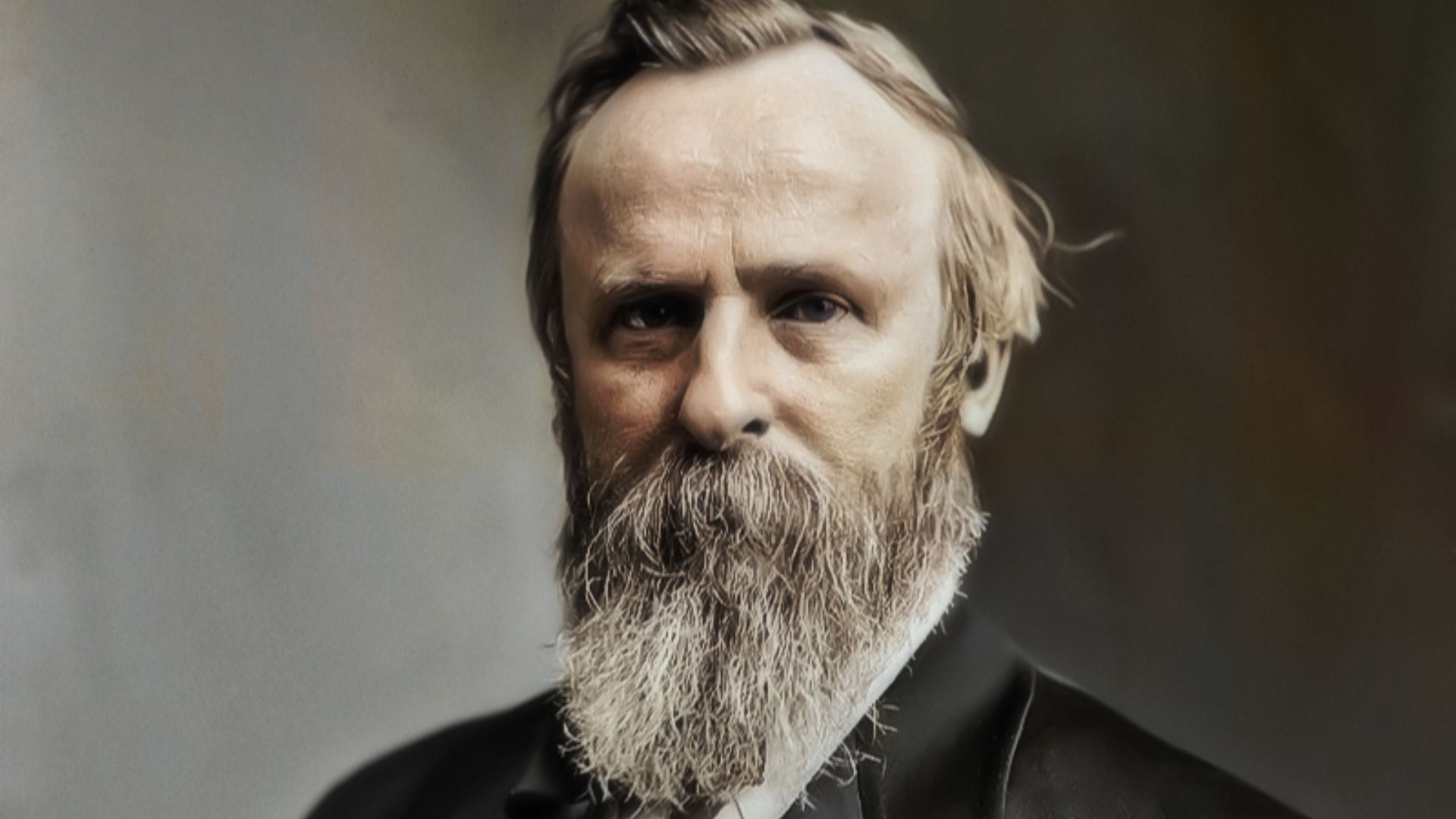
6. Rutherford B. Hayes
Bloodied five times in Civil War combat yet always returning to the fight, Hayes proved his toughness long before the presidency. As leader, he brought the telephone into the White House, banned alcohol at formal dinners, and began the Easter Egg Roll.
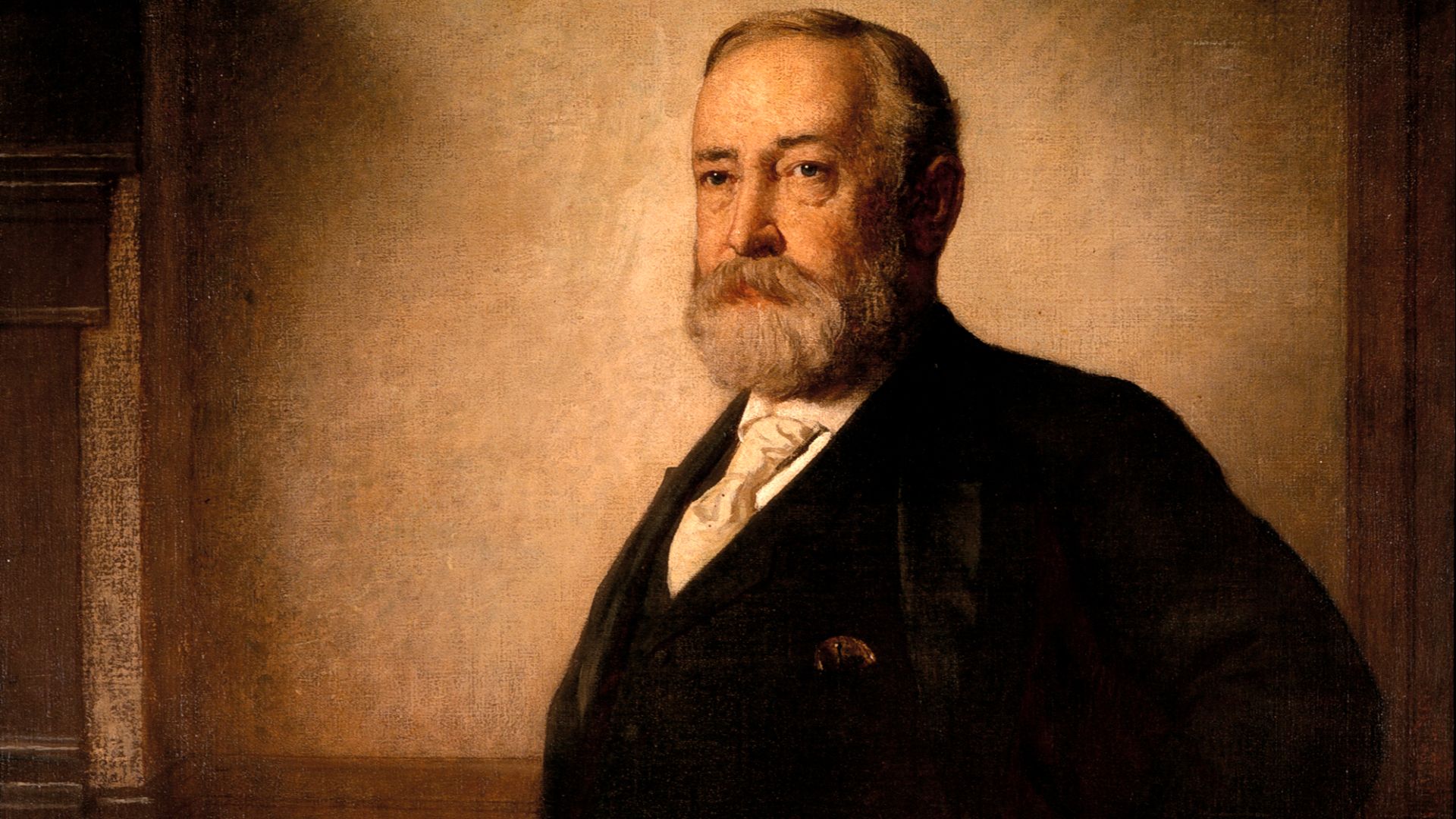
7. Benjamin Harrison
Electricity buzzed into the White House under Harrison, though he hesitated to touch the switches himself. A Civil War brigadier general who fought at Resaca, this grandson of William Henry Harrison stood short in stature but spoke with undeniable authority.
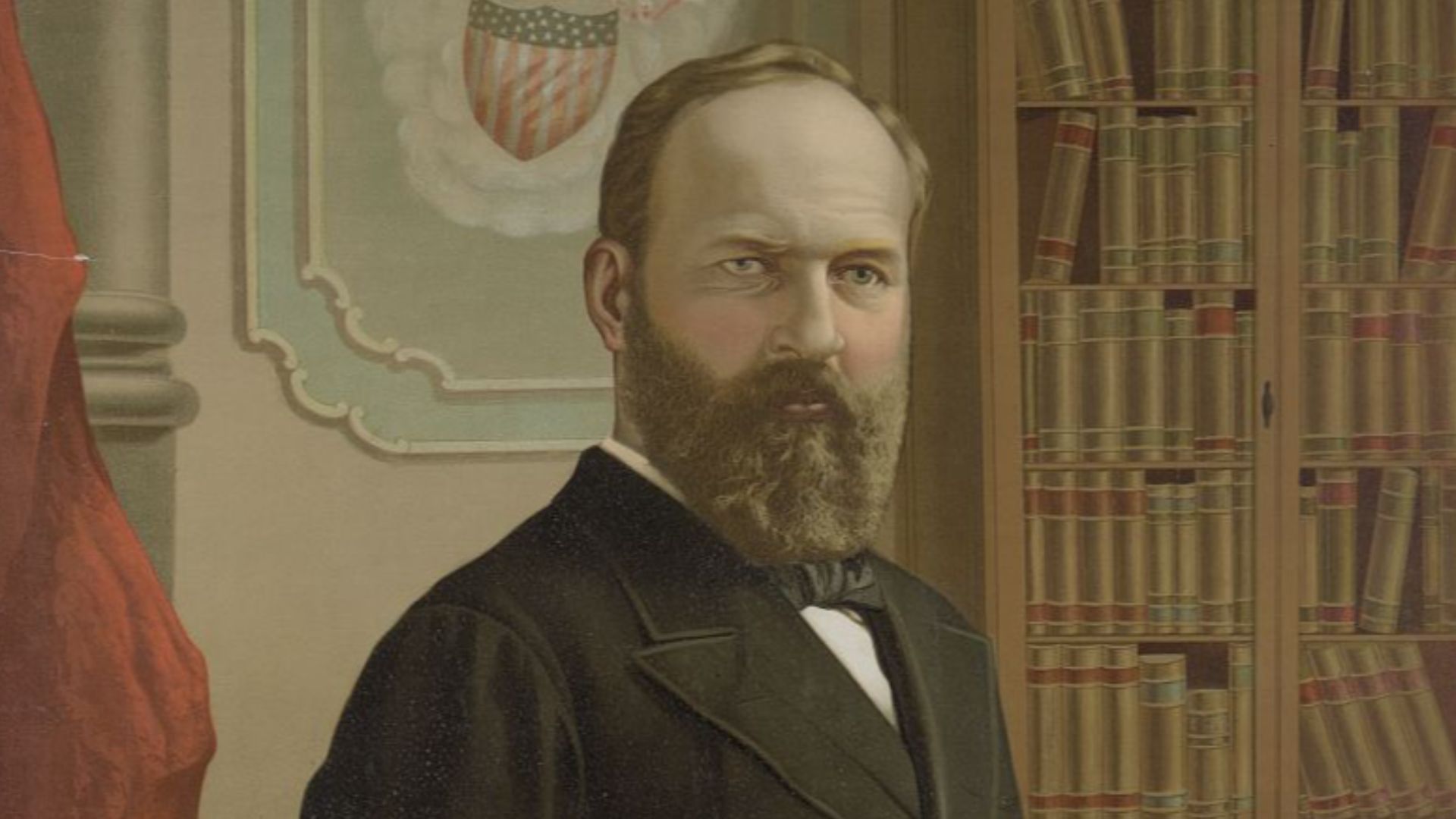
8. James A. Garfield
Unlike many generals-turned-presidents, Garfield’s brilliance extended far beyond the battlefield. At battles like Chickamauga, he commanded troops. He also impressed by writing Latin and Greek simultaneously with different hands. Born in a log cabin, his unusual mix of scholarship and grit defined his rise.
 Gilman, G. F., copyright claimant on Wikimedia
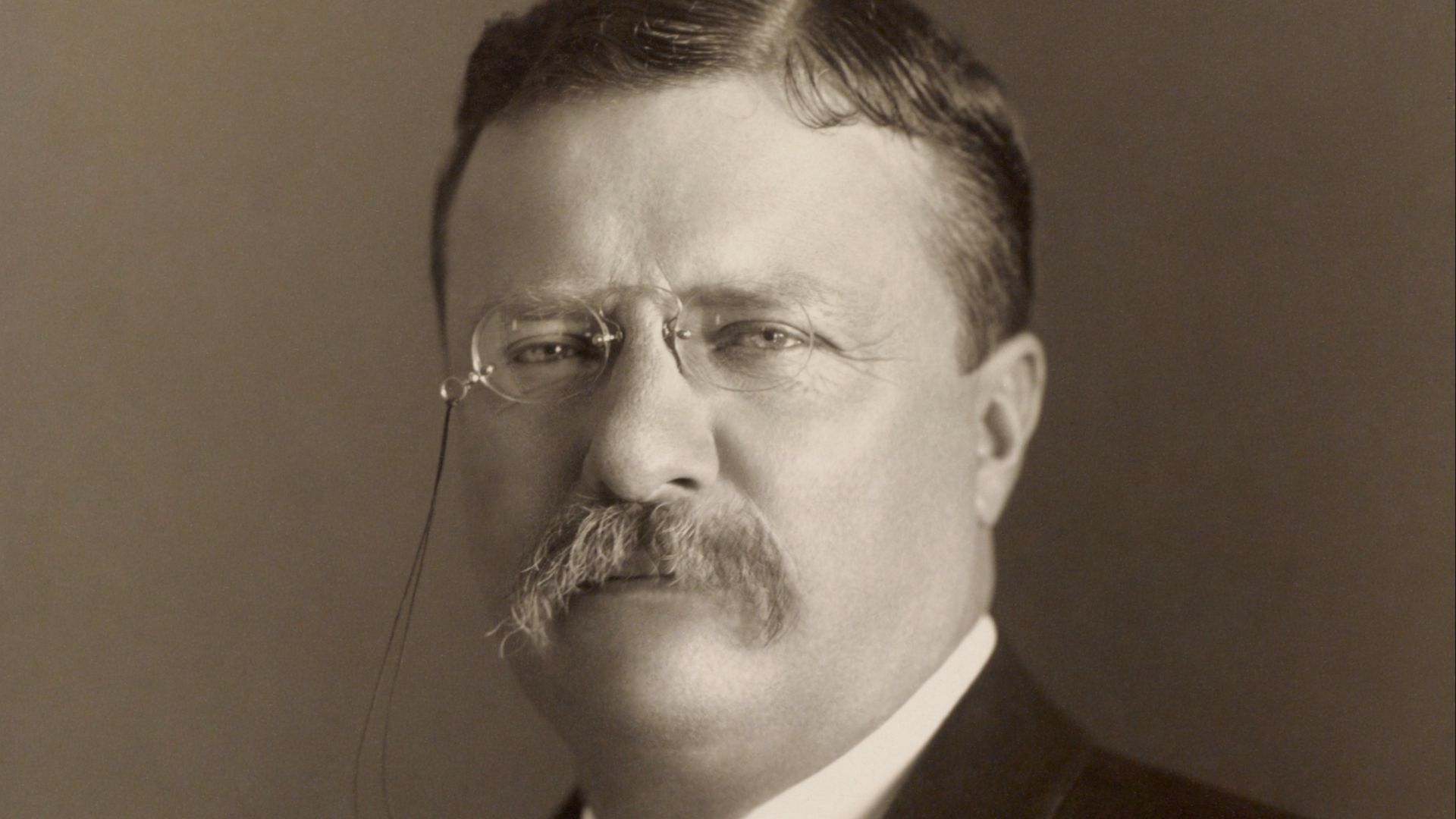
9. Theodore Roosevelt
Charging up San Juan Hill with the Rough Riders made Roosevelt a national hero during the Spanish-American War. Later becoming the youngest president at 42, he installed a boxing ring in the White House and once spoke for 90 minutes after being shot.
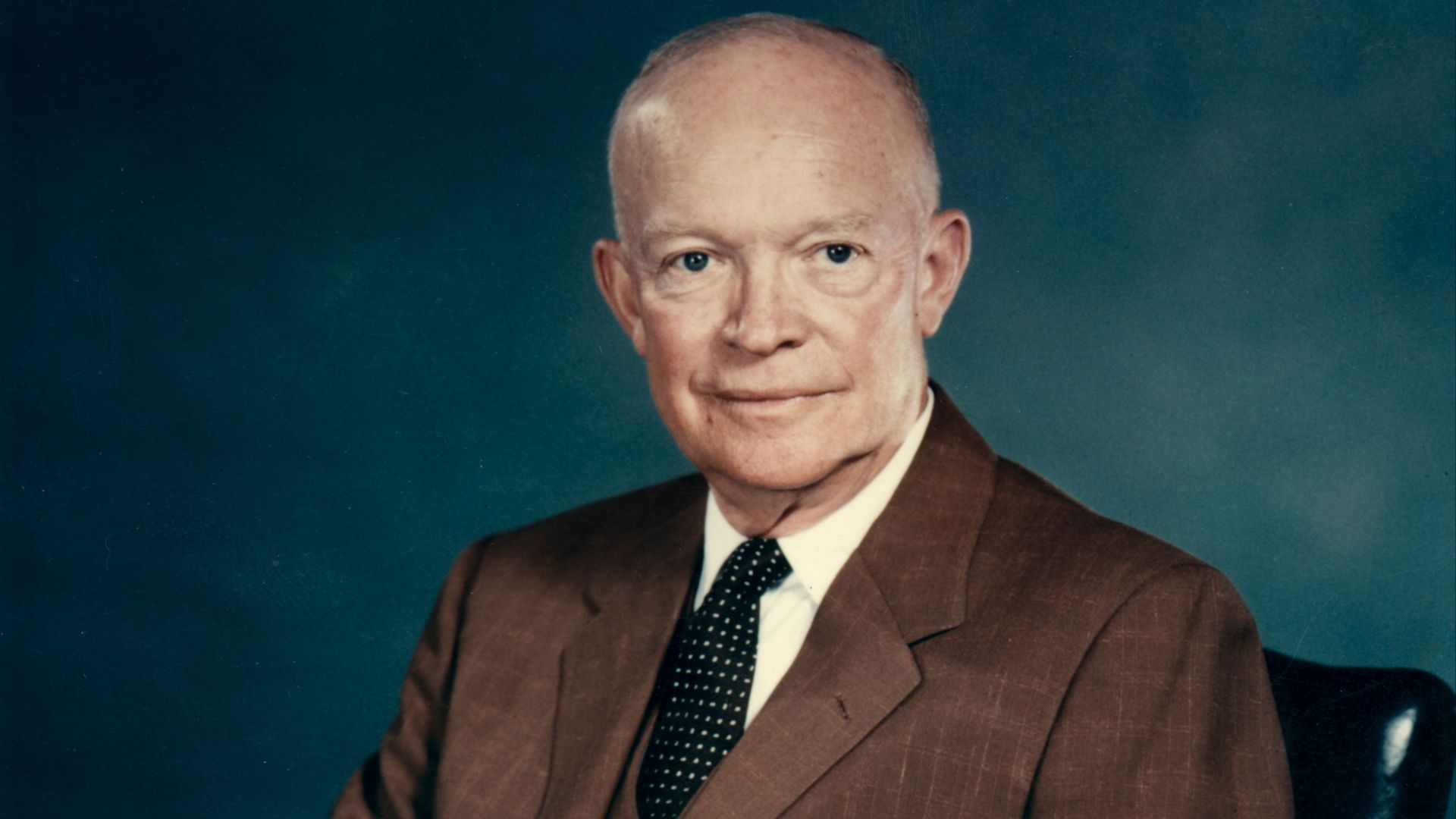
10. Dwight D. Eisenhower
As Supreme Commander in Europe, Eisenhower orchestrated D-Day, the turning point of World War II. Beyond the battlefield, he brought a putting green to the White House. He also flew helicopters as a licensed pilot and launched the interstate highway system, inspired by Germany.